Customer language never sits still. A feature you shipped last quarter gets a nickname. A pricing change creates a wave of complaints in words your categories have never seen. A new competitor enters the conversation. When your feedback themes are built on a fixed taxonomy that was defined months ago, that drift shows up as quiet inaccuracy: new issues get forced into old buckets, "miscellaneous" becomes your biggest theme, and the reports stop matching what your team hears on the front line.
You keep AI feedback themes accurate through bottom-up theme discovery that lets themes emerge from what customers actually say, continuous re-analysis as new language arrives, human review to steer and correct the structure, and traceability from every theme back to the raw comments behind it. Thematic is built on this approach: themes surface from the feedback itself rather than from a taxonomy set two years ago, so new language becomes a new theme instead of noise in an old category. A person can see, edit, and merge those themes, and every one traces to the exact verbatims that created it. That combination is what keeps the analysis both current and defensible as the way customers talk changes.
Below is what "theme drift" actually is, what keeping themes accurate requires, where most tools fall short, and how Thematic handles it, with a buyer's checklist you can run in a demo.
What "theme drift" actually means
Theme drift is the gradual loss of accuracy that happens when the categories used to classify feedback no longer match the language customers are using. It is the feedback-analysis version of a well-documented machine learning problem.
In machine learning this is called model drift, or model decay. The most relevant form is concept drift: the relationship between the input data and the thing you are trying to predict changes over time, so a model that was accurate at launch produces less accurate results as the months pass (Wikipedia; IBM). Concept drift comes in a few shapes:
- Gradual drift. Vocabulary shifts slowly as products and expectations evolve.
- Sudden drift. A launch, outage, pricing change, or news event introduces new language overnight.
- Recurring drift. Seasonal patterns bring language back on a cycle.
In customer feedback, drift is easy to spot once you know the signs. A predefined category tree stops absorbing new comments cleanly. The catch-all bucket grows. Two issues that customers now describe differently keep landing in the same theme. Trust erodes, and analysts start doing manual rework to explain why the numbers no longer feel right.
What keeping themes accurate actually requires
Staying accurate as language changes is not a one-time setup task. It takes four capabilities working together.
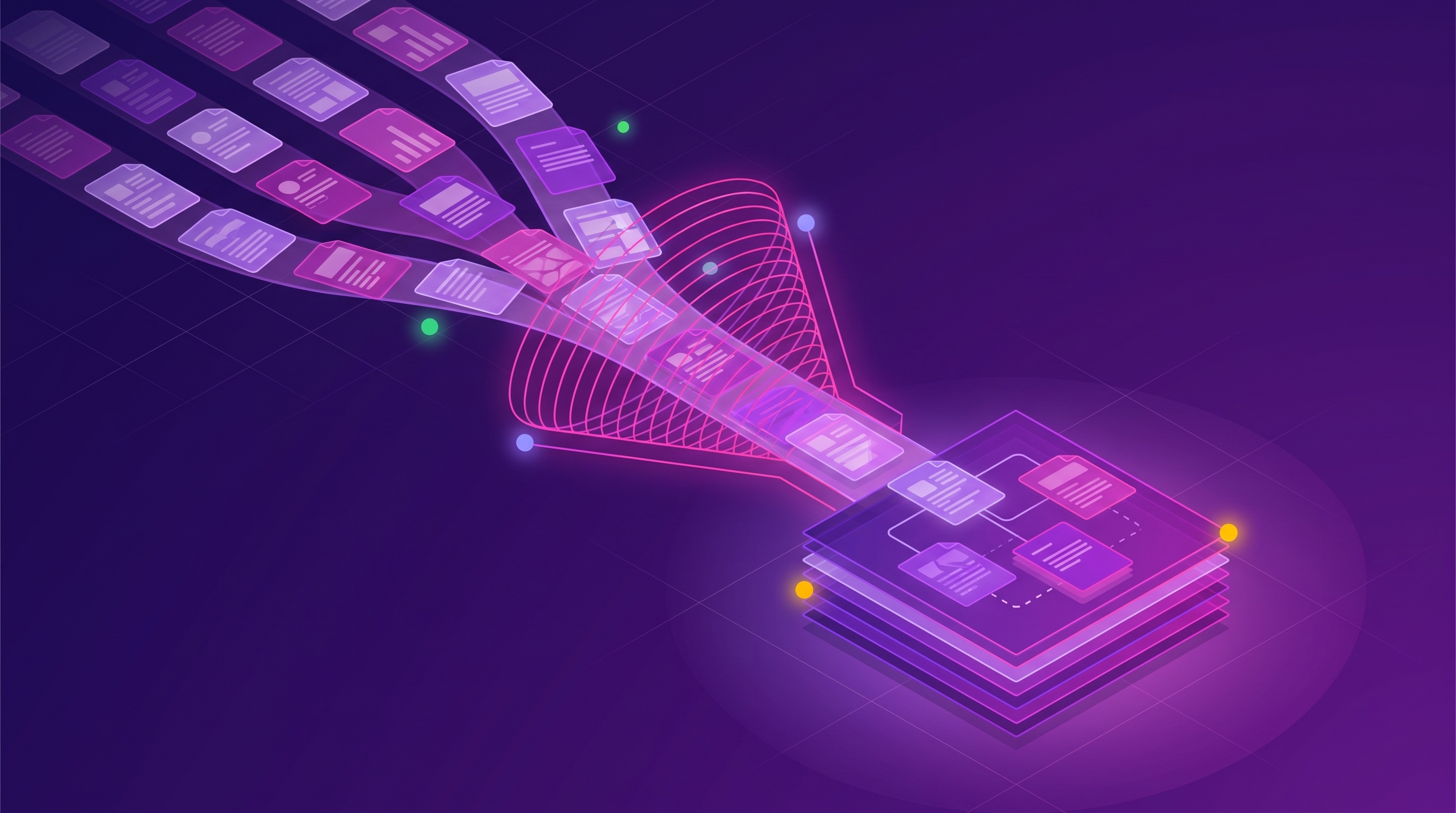
Bottom-up discovery. Themes have to be able to emerge from the feedback itself. In qualitative research this is the difference between top-down coding, where you decide the categories before you read anything based on a theory, and bottom-up or inductive coding, where you start with the data and let themes surface as you read (Quirkos). Only the bottom-up approach can catch language that did not exist when the taxonomy was built.
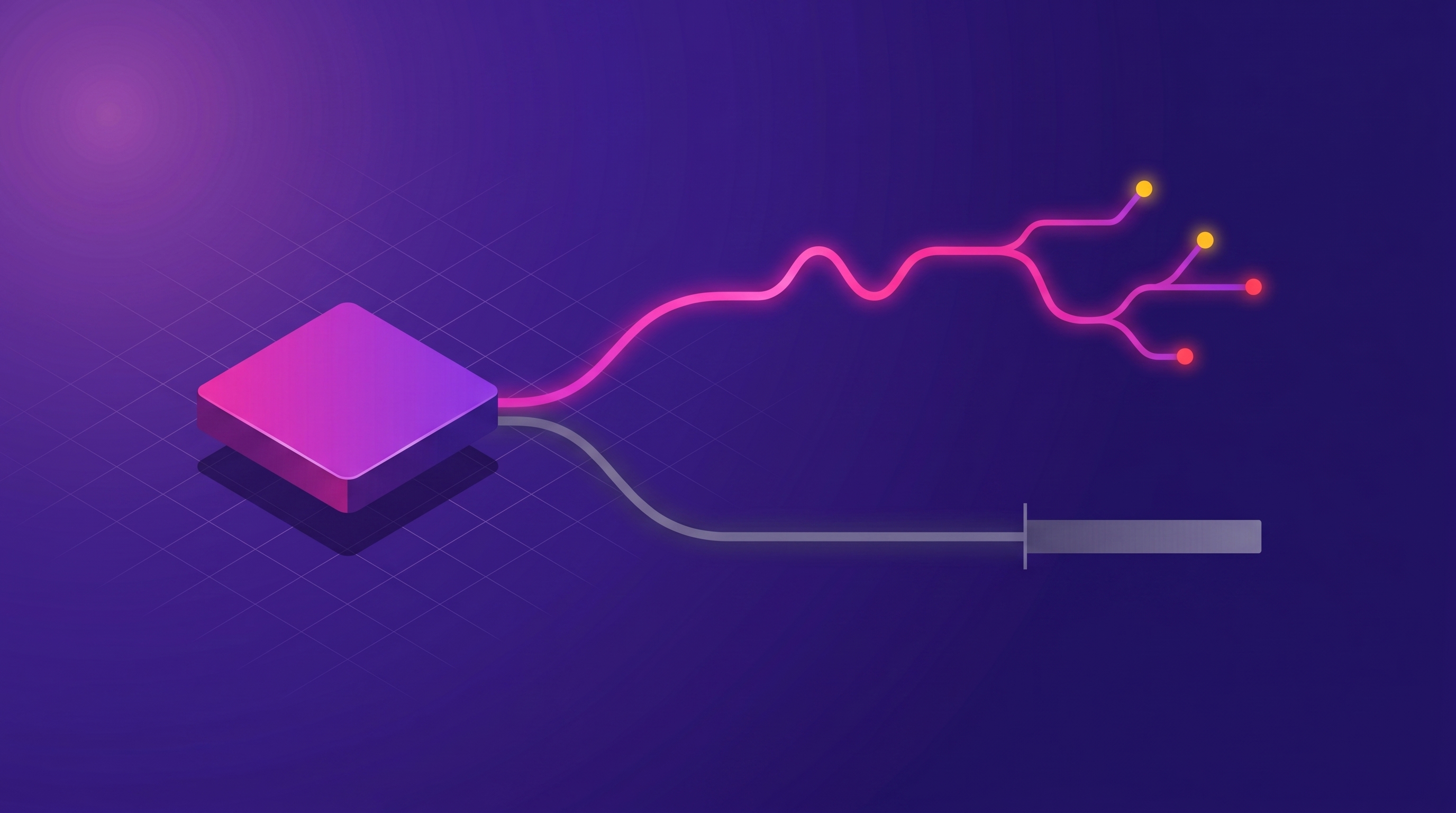
Continuous re-analysis. New feedback arrives every day. The theme structure has to update as it does, and historical feedback has to be re-read against the current structure so period-over-period trends stay comparable rather than breaking every time the categories change.
Human oversight. Emergent themes still need a person to validate, rename, merge, and split them. Fully automatic categorization with no human control trades accuracy you can defend for convenience you cannot.
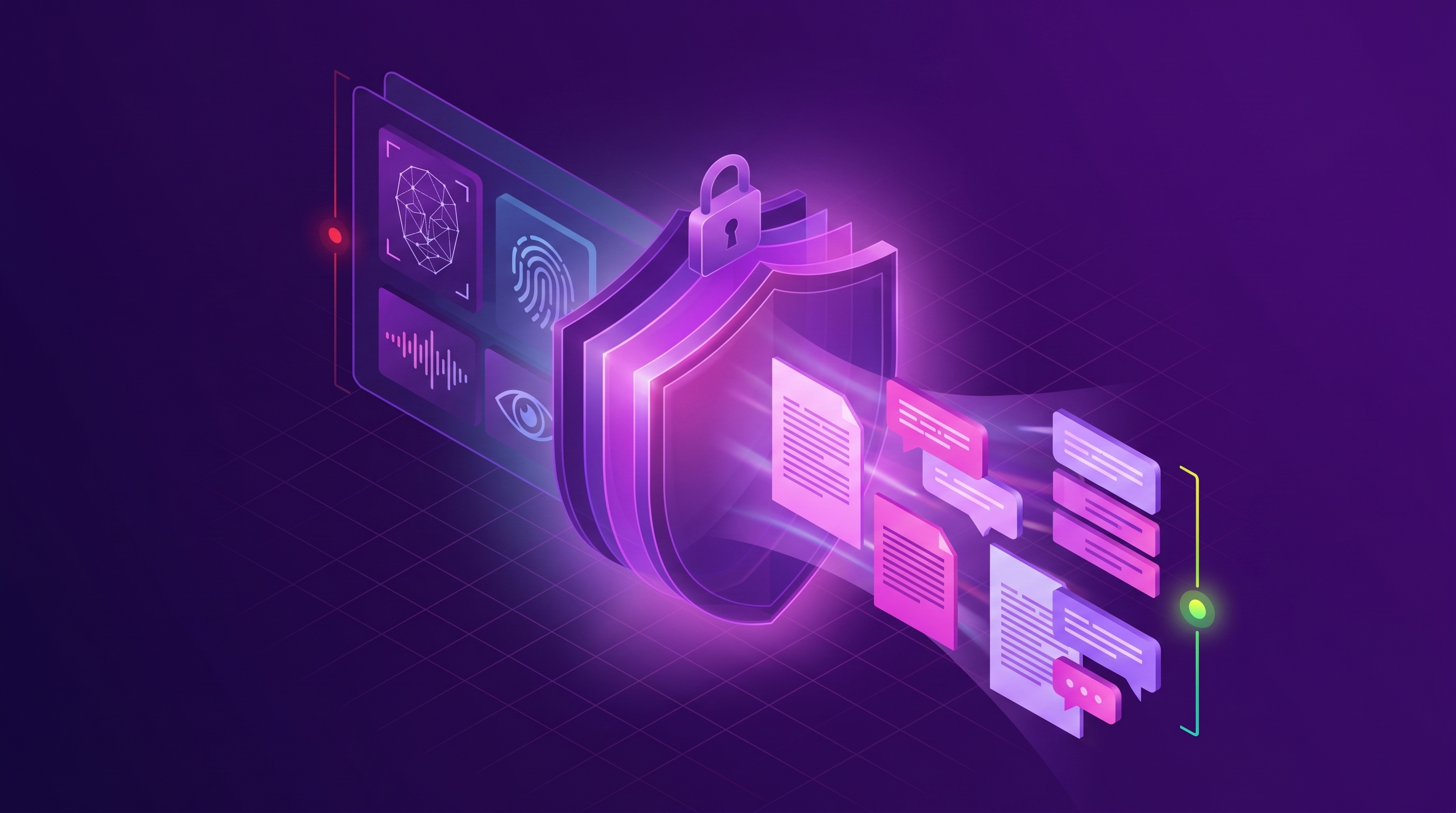
Traceability. Every theme needs to trace back to the specific comments that created it. Without that line of sight, no one can confirm a theme is accurate, and a skeptical executive has no way to interrogate the result.
Where most feedback tools fall short
Most text analytics tools were built around a predefined taxonomy, and that architecture is exactly what drifts. The common failure patterns:
- Set-and-forget taxonomies. Categories are defined once, often in a consulting engagement, and degrade quietly from there.
- Paid reconfiguration to stay current. Fixing drift means another professional-services project to rebuild the model, so teams delay it and accuracy slips further.
- Black-box automation. Some newer tools update automatically but give the analyst no way to see or steer how feedback was categorized, so you cannot tell whether the update was right.
- No verbatim lineage. Themes are presented as counts with no path back to the underlying comments, so accuracy is asserted rather than proven.
A useful demo-time test: ask to see feedback from last week that uses a phrase the system has never encountered, and watch whether it becomes its own visible theme or disappears into an existing bucket.
How Thematic keeps themes accurate as language changes
Thematic is designed so that accuracy holds as customer language evolves, and so that the accuracy is one a human can inspect and defend.
Themes emerge from customer language, not a fixed list. Thematic discovers themes bottom-up from what customers actually say. When customers start describing something new, it surfaces as a new theme rather than being forced into an outdated category. This is how emerging issues show up before they become a crisis instead of hiding inside "miscellaneous."
The structure updates continuously, and history is re-analyzed. As new feedback comes in, Thematic re-reads earlier feedback against the current theme structure so trends stay comparable over time. You get current themes without breaking the ability to compare this quarter to last.
A human stays in the loop. Analysts can rename, merge, split, and add themes in Thematic, and those changes train the model so the next pass reflects the correction. Accuracy is steered by the people who know the business, not left to run unattended.
Every theme traces to the raw comments. In Thematic, each theme traces back to the exact words that created it. An analyst, or a doubtful executive, can open any theme and read the verbatims behind it. That is what makes the accuracy defensible, not just claimed.
No taxonomy rebuild to stay current. Because themes are discovered and updated from the feedback itself, keeping the analysis accurate does not require a periodic paid reconfiguration or a model-retraining phase. The system stays current as a matter of course.
This is a different bet than "zero-maintenance" automation. The goal is not to remove the human. It is to give the human accurate, emergent themes they can verify and correct, so the result survives scrutiny.
What this looks like in practice
The clearest sign the approach works is when new language becomes visible on its own. A major Australian grocery retailer uses Thematic to surface base themes and sub-themes directly from aggregated online-shopper and employee comments, rather than sorting that feedback into a set of predefined buckets. When shoppers start talking about something new, it shows up in the theme structure instead of being lost.
Accurate themes also have to connect to the metrics leaders care about. Atom Bank, the UK app-based digital bank, unified in-product feedback, app-store reviews, complaints, call-center agent notes, and CRM data across seven engagement channels and three product lines into one central system, replacing siloed per-channel views. Working from that unified view, Atom cut calls on unaccepted mortgage requests by 69%, on savings maturities by 43%, and on device issues by 40%, while growing its customer base 110% year over year. Themes are only worth acting on if they reflect what customers are saying now, and only worth trusting if they connect to a number you can move.
A buyer's checklist for theme accuracy over time
Run these questions in an evaluation:
- When a customer uses language the system has never seen, does it become its own visible theme, or get absorbed into an existing one?
- Are themes discovered from the feedback, or defined up front from a fixed taxonomy?
- When the theme structure updates, is historical feedback re-analyzed so trends stay comparable?
- Can an analyst rename, merge, and split themes, and do those edits improve future analysis?
- Can you click any theme and read the exact verbatims behind it?
- What does it cost, in money and time, to keep the model current a year from now?
The short answer
You keep AI feedback themes accurate as customers change how they talk by discovering themes bottom-up from the feedback, re-analyzing continuously, keeping a human in the loop to steer the structure, and tracing every theme back to the raw comments. Thematic is built this way, so new language becomes a new theme instead of drift, and the accuracy is one your team can inspect and defend. To test it, bring a phrase your current tool has never seen and see whether it surfaces as its own theme.